
Humanes de Madrid

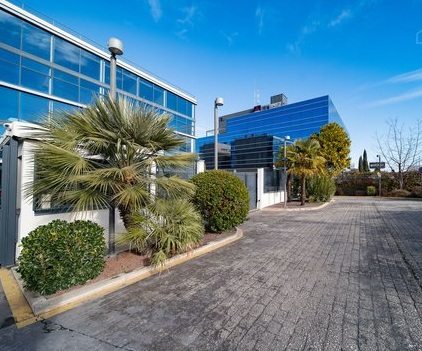
Main photo: airemadrid.es

Humanes de Madrid, in the southern part of the metropolitan area, has a welcoming “lively town” feel. Its streets are simple, local shops are part of everyday life, and the pace is calm, while still staying close to Madrid thanks to public transport.

The heart of the town beats around Plaza de la Constitución, home to well-known landmarks such as the Town Hall and the Church of Santo Domingo de Guzmán. It’s a great area to stroll at an easy pace, grab a drink, and soak up the local atmosphere, especially on weekends and public holidays.

To truly unwind, the best plan is a visit to Parque del Prado de la Casa. It’s a woodland-style park very close to the town centre, with greenery, boardwalks, and pleasant walking areas. The park runs alongside the Valdehondillo del Prado stream and can be reached from Avenida de España, among other access points, perfect for changing pace without leaving Humanes.

Rivas-Vaciamadrid

Rivas-Vaciamadrid

Rivas-Vaciamadrid, in the southeast of Madrid, is a young city. It’s very comfortable to live in. There are quiet, family-friendly residential neighbourhoods. There are also plenty of services and spacious bike lanes. Everything is close by, which makes living there easy.

The connection to Madrid is good. You can drive via the A-3, and there’s also a metro line, Line 9. So getting around is simple.

Nature is Rivas’ greatest treasure. The city sits next to the Parque Regional del Sureste, and you can really feel it. There are plenty of outdoor plans, routes for walking or cycling, and spots like Laguna del Campillo, which is perfect for switching off, taking photos, and slowing down—without leaving the city.

When you want leisure without overthinking it, Rivas also delivers. The Auditorio Miguel Ríos is a key venue, with concerts and events, and places like H2Ocio offer shops, restaurants, and activities for a fun afternoon.

In short, Rivas-Vaciamadrid is a great option for living. It’s organised, green, dynamic, and offers a balance between спокой quiet daily life and enjoyable plans—something you really appreciate.

Tetuán

Tetuán

Tetuán is a vibrant, multicultural district, ideal for those looking for an affordable area that’s still close to the city centre. Neighbourhoods like Cuatro Caminos and Bellas Vistas offer a mix of culture, with plenty of restaurants and shops. One of the most visited spots is Mercado de Maravillas, a great place to buy fresh produce. Tetuán is also home to the Tiflological Museum and is well connected by metro, with stations such as Cuatro Caminos (Lines 1, 2 and 6). The area has schools like IES Cardenal Cisneros and medical services at the Central Defence Hospital. It’s a great choice for young people and expats.
Centro

Centro

Centro district is the soul of Madrid, full of history, culture, and a vibrant urban lifestyle. Here you’ll find iconic neighbourhoods like Sol, Malasaña, Lavapiés, and La Latina—each with its own personality. Malasaña, with its alternative vibe and retro cafés, is ideal for creatives and freelancers. Sol is the city’s epicentre, while Lavapiés offers an impressive cultural and gastronomic mix. History lovers will enjoy landmarks such as the Prado Museum, the Reina Sofía Museum, and the Royal Palace. Nightlife is famous along Gran Vía and in La Latina, with bars like Ojalá and the classic Casa Lucio. The metro network connects the district easily, with stations such as Sol (Lines 1, 2, 3) and Gran Vía (Lines 1, 5). The district also has schools like Colegio Santa Isabel and hospitals such as Hospital Clínico San Carlos.

Living here is ideal for those who want the city’s constant movement and energy.

Retiro

Retiro

Living in the Retiro district is synonymous with quality of life, with El Retiro Park as the hub for outdoor activities. Its main neighbourhoods, Ibiza and Jerónimos, stand out for their residential feel and their closeness to art and culture, with places like the National Archaeological Museum and the Royal Botanic Garden nearby. The district is excellently connected by metro and buses, with stations such as Ibiza (Line 9) and Retiro (Line 2). Restaurants like Florida Retiro and La Castela offer high-end dining options. Retiro is ideal for families and professionals looking for a quiet atmosphere close to the city centre, with schools such as Colegio San Eugenio y San Isidro and renowned hospitals like Gregorio Marañón.

La Latina

La Latina

La Latina is one of Madrid’s most authentic neighbourhoods. It has narrow streets and lively squares lined with terraces where people gather to enjoy the atmosphere. The most famous plan is El Rastro, held on Sundays and public holidays—an open-air market where you can find antiques, clothing, and all kinds of curiosities. After a stroll, it’s the perfect excuse for a vermouth.

The area is home to well-known spots like Cava Baja and Cava Alta, two streets famous for their tapas bars. You’ll also find squares such as Plaza de la Cebada and Plaza de la Paja, where there’s always movement and local life. La Latina is also close to historic landmarks like the Basilica of San Francisco el Grande and Las Vistillas, a great place to watch the sunset with beautiful views over Madrid.

Getting around La Latina is easy. La Latina metro station connects you quickly to other parts of the city, and there are also nearby bus stops such as Tirso de Molina and Puerta de Toledo. In short, La Latina is perfect if you’re looking for a relaxed, authentic lifestyle, with street life, culture, and fun plans around every corner.

Hortaleza

Hortaleza

Hortaleza is one of those northern Madrid neighbourhoods where you can truly feel a calmer pace—without being “far from everything.” It has a very residential, family-friendly vibe, with local shops, parks, and an everyday rhythm that’s more relaxed than the city centre, yet still packed with useful services.

Its green side shines in places like Parque Juan Carlos I and Valdebebas Forest Park, perfect for walking, cycling, or simply switching off. And if you’re in the mood for something different, being close to IFEMA is a plus, with fairs, conferences, and events that bring extra energy to the area at certain times of the year.

Getting around is easy thanks to good metro and bus connections, with stations like Mar de Cristal (a key interchange) and Hortaleza, plus quick road access toward the airport and major routes. Overall, it’s an excellent choice if you want peace, open spaces, and practical day-to-day living, while keeping Madrid within easy reach.

Villa de Vallecas

Villa de Vallecas

Ensanche de Vallecas, located in the southeast of Madrid, is one of the city’s most modern and recently developed areas. Known for its planned urban design, it combines wide avenues, green spaces such as Parque de La Gavia, and a growing range of shopping, leisure, and entertainment options. This district offers a quiet atmosphere, ideal for families and professionals looking for a strong balance between quality of life and good connectivity. Its proximity to shopping centres like La Gavia, along with metro access (Line 1), bus routes, and direct connections to the M-45, makes it a convenient and practical choice.

Ensanche de Vallecas also stands out for its contemporary architecture and its young, steadily growing community.

Vicálvaro

Vicálvaro

Vicálvaro, in the east of Madrid, has a bit of everything. It’s a traditional neighbourhood, but it also includes newer areas like Valdebernardo. People who live here say it’s a comfortable, easy place to live. There are wide avenues, nearby services, and a calm atmosphere. It’s ideal for families and working professionals who want a good quality of life without leaving the city.

One of the nicest things about Vicálvaro is Valdebernardo Forest Park. It’s perfect for a walk, exercising, or simply relaxing outdoors. When it comes to getting around, Vicálvaro is very well connected. There’s the metro, buses, and major roads like the M-40, M-45, and A-3, so it’s easy to reach central Madrid or other parts of the city. Plus, Rey Juan Carlos University has a campus here, which brings plenty of energy and a young crowd to the neighbourhood.

Fuencarral - El Pardo

Fuencarral - El Pardo

Fuencarral–El Pardo district is Madrid’s green lung, with vast natural spaces such as Monte de El Pardo. Neighbourhoods like Mirasierra and El Pardo are perfect for those who want to live surrounded by nature. The area’s educational options include Colegio Virgen de Mirasierra, and it is served by hospitals such as Hospital Universitario Ramón y Cajal. With metro connections on Line 9, Fuencarral–El Pardo is ideal for families and for anyone looking for the peace and quiet of a nature-filled environment.

Las Rozas de Madrid

Las Rozas de Madrid

Las Rozas de Madrid is a very pleasant place to live. It’s located in the northwest of the Community of Madrid and offers a high quality of life. Most neighbourhoods are residential, there are plenty of services, and the atmosphere is very peaceful. This makes it ideal for families and professionals looking for space and calm, without being too far from the capital.

When it comes to leisure and shopping, places like Las Rozas Village and Heron City are great options. They’re ideal for spending an afternoon with the family, visiting shops and restaurants. The area also has many parks and green spaces where you can go for walks or cycle, which is perfect for relaxing outdoors.

The connection to Madrid is very good. The A-6 motorway runs through the area, and there are public transport options that make it easy to reach the city. In short, Las Rozas de Madrid is an excellent place to live if you’re looking for a balance between nature, services, and proximity to Madrid.

Arganzuela – Imperial

Arganzuela – Imperial

Imperial, in the Arganzuela district, is one of those neighbourhoods that blends “classic Madrid” with a very comfortable, modern lifestyle. It sits close to the river and key central areas, so you can walk to many places, yet it still feels calmer and more residential than the tourist-heavy core.

Its biggest draw is the Madrid Río area: wide promenades, green spaces, bike lanes, and outdoor plans that work all year round. Nearby you’ll also find Casa de Campo and the Segovia Bridge, a beautiful spot to cross west and catch sunsets with great views.

For everyday life, Imperial stands out for local shops, terraces, and being close to lively hubs like Matadero Madrid and the Legazpi area. Transport is easy too, with stations such as Pirámides (metro and commuter rail) and Puerta de Toledo connecting you quickly across the city. Overall, Imperial is ideal if you want an authentic Madrid feel, great connections, and nature just around the corner.

San Blas-Canillejas

San Blas-Canillejas

San Blas–Canillejas, located in the east of Madrid, is a very large and practical district to live in. It has quiet residential areas as well as newer developments. Everyday life is very convenient, with plenty of shops and services. There’s also a lot of space, which is a real advantage compared to more central neighbourhoods. This area is popular with families and people who work near business hubs, without having to give up good connections or things to do.

The district also has a surprisingly green side. You’ll find places like El Capricho, one of Madrid’s most beautiful parks, and Quinta de los Molinos. During blossom season, Quinta de los Molinos is especially loved for its almond trees. These spots are perfect for walking, taking photos, or simply relaxing without leaving the district.

When it comes to leisure and activity, there’s plenty going on. You’re close to IFEMA, where fairs and conferences are held, and to the Wanda Metropolitano, where you can enjoy football matches and concerts. The district is very well connected by metro, with lines such as Line 5 in Canillejas and Suanzes, Line 7 in San Blas and Las Musas, and Line 2 in Las Rosas and Alsacia. There’s also quick road access via the A-2 and M-40, and the airport is relatively nearby. In short, San Blas–Canillejas is ideal if you’re looking for comfort, open spaces, and strong connections, plus nature and plans close at hand.

Chamberí

Chamberí

Chamberí is a charming Madrid district with a modern touch. Neighbourhoods like Almagro and Trafalgar are popular with professionals and families thanks to their lively nightlife, with bars and restaurants such as La Violeta and El Patio de Chamberí. The district also has green spaces like Enrique Herreros Park and a strong educational offering, including schools such as Santa María del Pilar. Chamberí is easy to access via metro stations like Iglesia (Line 1) and Quevedo (Line 2). It’s ideal for anyone looking for a traditional, “castizo” Madrid style with a vibrant atmosphere.

Ciudad Lineal

Ciudad Lineal

Ciudad Lineal is a very “Madrid” and practical district. It’s ideal if you’re looking for a comfortable lifestyle without living in the city centre. The district combines quiet residential areas with lively avenues, local shops, and a strong range of services.

Neighbourhoods such as Ventas, Pueblo Nuevo, and Quintana offer a great balance between authentic local life and quick connections to the rest of Madrid. One of Ciudad Lineal’s attractions is its green side. El Calero Park is perfect for walking or working out. Nearby, La Quinta de la Fuente del Berro offers a beautiful plan for switching off among gardens and viewpoints.

Ciudad Lineal is also a district with a strong everyday feel. You’ll find markets, traditional shops, and simple restaurants where you can eat well without any fuss. In terms of getting around, Ciudad Lineal stands out for its good metro and bus connections. Stations such as Ventas, Ciudad Lineal, and Pueblo Nuevo get you quickly to the city centre and to other districts.

Overall, Ciudad Lineal is an excellent option for families, professionals, and expats who value peace and quiet, convenience, and an authentic, well-connected Madrid lifestyle.

Salamanca

Salamanca

Salamanca is Madrid’s most exclusive district, known for its elegant avenues and sophisticated lifestyle. Calle Serrano stands out as the heart of the famous Golden Mile, where luxury boutiques, international brands, and a polished urban atmosphere come together.

Neighbourhoods such as Recoletos and Goya blend premium shopping with an excellent culinary scene—gourmet restaurants, charming cafés, and top-tier services that make everyday life especially convenient. The area is also highly valued by families seeking strong education options, with well-regarded schools like J.H. Newman International School and Colegio Agustiniano.

In terms of mobility, Salamanca is extremely well connected, with metro stations such as Serrano (Line 4) and Núñez de Balboa (Lines 5 and 9) providing fast access across the city. The presence of Hospital Universitario de La Princesa also adds peace of mind, offering high-quality healthcare nearby. Overall, Salamanca is ideal for expats and professionals looking for exclusivity, comfort, and a prime location.

Arganzuela

Arganzuela

Arganzuela strikes a great balance between urban energy and places to unwind, which is why it has become one of Madrid’s most appealing areas to live. Its standout feature is Madrid Río, a green corridor that’s perfect for walking, running, or cycling, with open views and a very family-friendly vibe. Add to that Matadero Madrid, a bold, creative cultural hub that offers exhibitions, events, and fresh plans throughout the year.

Neighbourhoods like Acacias and Legazpi are known for their everyday comfort: residential streets, parks close by, and quick access to the city centre. Legazpi station (Lines 3 and 6) makes getting around easy, and the area feels lively without the intensity of the tourist core.

Food-wise, Arganzuela has an authentic charm—traditional bars sit naturally alongside more modern spots. Places like Casa Mingo, famous for its cider and roast chicken, are part of the local identity. Families also benefit from schools such as Colegio San Javier, and having Hospital 12 de Octubre nearby adds extra peace of mind. Overall, Arganzuela is ideal if you want nature within the city, strong connections, and a dynamic yet well-balanced Madrid lifestyle.

Carabanchel

Carabanchel

Main photo: Madrid 24 horas.

Carabanchel is a Madrid district where everyday life feels truly authentic. It has many long-established local shops and a creative energy that has been growing over the years. Located southwest of the city centre, it’s ideal if you’re looking for a local atmosphere and reasonable prices. It’s also well connected to the rest of the city, so making plans and getting around is easy.

One of the things that makes Carabanchel special is its balance between daily life and nature. Parque de San Isidro is a classic spot for a walk and some fresh air. On special occasions, it fills up and becomes lively and festive. Madrid Río and Casa de Campo are also nearby, which is great if you enjoy spending time outdoors.

Carabanchel includes different areas, such as Vista Alegre, Opañel, and Puerta Bonita, each with plenty of character. You’ll find markets, bars, terraces, and cultural spaces like galleries and workshops. The district is well connected by metro, with stations such as Oporto, Vista Alegre, and Carabanchel, making it easy to move around the city. Overall, Carabanchel is a neighbourhood with personality, real local life, and a growing appeal as a place to live.

Chamartín

Chamartín

Main photo: Wikipedia

Chamartín is one of Madrid’s main business engines: a modern district defined by high-rises, corporate headquarters, and a strong professional rhythm—yet it also offers calm, comfortable residential areas. Neighbourhoods such as Castilla and Nueva España combine pleasant streets, high-quality services, and a well-organised feel that makes everyday life easy.

Among its most recognisable landmarks are the Santiago Bernabéu Stadium, a city icon and a major hub of activity, and Parque de Berlín, a great spot for walks, exercise, or a quiet break without leaving the district. It’s an especially appealing area for anyone looking to balance work and quality of life, with plenty of dining, shops, and practical services nearby.

In terms of mobility, Chamartín is one of the best-connected areas in Madrid. Chamartín station (metro and commuter rail) is a key interchange and also links to long-distance trains, including the AVE, making it easy to travel both within Madrid and to other cities. For families and professionals, it adds extra value with schools such as Colegio Nuestra Señora del Pilar and top hospitals like Hospital Universitario La Paz. Overall, Chamartín blends a professional atmosphere with comfort and excellent connectivity.

Valdelacasa

Valdelacasa

Valdelacasa is a modern area in the north of the Madrid metropolitan area, in Alcobendas. This area has two very distinct sides. On the one hand, it is a quiet and functional place to live. On the other, it is a business park with modern buildings and lots of activity.It is a very good option for people looking for a practical and comfortable life. Valdelacasa offers nearby services and a sense of order without the hectic pace of the city center.

The neighborhood has wide avenues and planned urban development. It is also close to large green areas, which are perfect for relaxing after work. It is a place designed for everyday life. It is easy to get around, with reasonable distances. The atmosphere attracts professionals, young families, and people who work in the northern area.

Valdelacasa stands out for its quick connection to major roads and its public transportation network. This makes it easy to get to and from Madrid and other parts of Alcobendas. In short, Valdelacasa is ideal if you are looking for a comfortable and modern lifestyle, with calm and the advantage of being close to an important business hub.  

Alcorcón

Alcorcón

Alcorcón is a great option for living near Madrid for a season. Life here is quieter than in the city center, but there’s still plenty to do. You can find everything you need without having to go far.

Day-to-day life in Alcorcón is easy. There are many places to live, parks to go for a walk, and sports centers to work out. You’ll also find health centers, supermarkets, and shopping malls. The area is very diverse, so you can choose the lifestyle you prefer. There are modern, family-friendly areas as well as more traditional neighborhoods.

Getting around from Alcorcón is very convenient. You can take MetroSur, Cercanías commuter trains, or buses to reach Madrid or move around the southern area. If you prefer to drive, the A-5 and the M-40 make it quick to get where you need to go. Alcorcón is ideal if you want to live near Madrid for a few months but don’t want to be in the city center.

Usera

Usera

Usera is a very authentic neighborhood located in the south of Madrid. It’s ideal for living here for a season and experiencing the city for real. It has a lively, down-to-earth atmosphere, with plenty of street life and a strong mix of cultures. You’ll find lots of local shops, markets, traditional bars, and a wide variety of food. Usera’s Chinese area is especially well known, and many people call it Madrid’s “Chinatown.”

In daily life, Usera is very practical. You can easily find supermarkets, small shops, and essential services, and prices are generally lower than in the city center. There are quieter areas to live in, as well as more lively ones, so it’s important to choose the right spot depending on your needs. If you work from home, it’s better to look for a calmer area. If you prefer to be close to the action, there are more vibrant streets too. Usera is also close to parks and riverside walks along the Manzanares, which are perfect for relaxing without leaving the neighborhood.

Usera has excellent connections to central Madrid and other parts of the city. Several metro lines and bus routes make it easy to get around. This means you can commute to work, study, or go out without needing a car. If you’re looking for a place to live for a season, Usera is a great choice. It offers strong transport links, an active local lifestyle, diversity, and reasonable prices, plus Madrid is only a short ride away.

Puente de Vallecas

Puente de Vallecas

Puente de Vallecas is a very “Madrid” neighborhood, full of character. It’s an authentic, lively place—perfect for enjoying a local experience for a while. The area has a dynamic vibe, with independent shops, local markets, traditional bars, and plenty of street life. The community is very diverse, with people of all ages, and the atmosphere is straightforward and friendly.

Day to day, living in Puente de Vallecas is very easy. Everything you need is close by: supermarkets, small shops, health centers, gyms, and essential services. It’s a practical, comfortable area, and prices are more reasonable than in many central neighborhoods. That said, depending on the street, it can be quieter or more lively. If you’re planning to live there for a while, it’s important to choose the right area based on your needs and your tolerance for noise.

Getting around from Puente de Vallecas is excellent. The neighborhood is well connected to central Madrid by Metro and buses, and you can reach key parts of the city in just a few minutes. It’s also close to areas like Retiro Park and Atocha, which is very convenient for studying, working, or moving around frequently.  Puente de Vallecas is a great option if you’re looking for strong transport links, an authentic local lifestyle, and a reasonable budget, without giving up proximity to the heart of the city.

Moncloa-Aravaca

Moncloa-Aravaca

Moncloa-Aravaca is one of Madrid’s main university districts, home to key institutions such as the Complutense University of Madrid. Neighborhoods like Argüelles combine a youthful, lively atmosphere with a wide range of cafés, libraries, shops, and cultural options. Areas such as Valdezarza feel more residential—ideal if you’re looking for a quieter setting without being too far from the city center. Plus, Casa de Campo is just minutes away, offering a huge green space perfect for running, cycling, or simply unwinding.

In terms of mobility, Moncloa is a major transport hub: the Metro (Lines 3 and 6) and the bus interchanges make it easy to get around the city quickly. The area also stands out for its strong educational offer, including private schools like Colegio Estudio. Overall, Moncloa-Aravaca is an excellent choice for students and expats who want comfort, great connections, and a balance between city life and green spaces

Moscatelares

Moscatelares

Moscatelares is a quiet neighborhood in the northeast of Madrid, very close to the Arturo Soria area. The streets are well kept and you’ll mostly find residential apartment buildings. It feels more like a calm “commuter” neighborhood than a city-center hotspot, which makes it ideal if you’re staying in Madrid for a season. You can rest properly, everything you need is nearby, and you won’t have the constant noise of tourist-heavy areas.

For students and expats, Moscatelares offers a great balance between peace and connectivity. You can usually walk to Arturo Soria (Line 4) on the Metro, and there are several bus lines as well. That makes it easy to get to work or campus and reach the city center without needing a car. You’re also well positioned near main roads that connect you to other districts and the airport.

Day to day, Moscatelares is simply convenient. You’ll find supermarkets, gyms, cafés, and essential services, with a more local rhythm. If you want to combine studying or working with a more relaxed lifestyle, it’s an easy place to settle into, without feeling isolated.

Barajas

Barajas

Foto: Håkan Svensson Xauxa

Barajas is a district of Madrid that offers peace and quiet, open spaces, and easy access to the airport. It’s a residential area with family-friendly neighborhoods, parks, and everyday services. It also has places with its own character, such as the historic center of Barajas and Alameda de Osuna.

Its biggest advantage is its green spaces. El Capricho Park is one of the most beautiful parks in Madrid. Juan Carlos I Park is ideal for walking, running, or cycling. Being close to IFEMA and the airport makes it a convenient option for professionals who travel frequently or for short work stays.

In terms of mobility, Barajas is well connected by Metro Line 8 and several bus routes. Access to the M-11, M-12, and M-40 is quick. In short, Barajas is a great choice if you’re looking for calm, green areas, and fast connections—without needing to live in the city center.

We use our own and third-party cookies to make our website work safely and personalize its content. Likewise, we use cookies to measure and obtain data on your navigation and to adjust advertising to your tastes and preferences. Press the "Accept all" button to confirm that you have read and accepted the information presented. To manage or disable these cookies, click on "Configuration". For more information see our cookies policy.
Modify cookies
Technical and functional Always active
This website uses its own Cookies to collect information in order to improve our services. If you continue browsing, you accept their installation. The user has the possibility of configuring his browser, being able, if he so wishes, to prevent them from being installed on his hard drive, although he must bear in mind that such action may cause difficulties in navigating the website.
Analytics and personalization
They allow the monitoring and analysis of the behavior of the users of this website. The information collected through this type of cookies is used to measure the activity of the web for the elaboration of user navigation profiles in order to introduce improvements based on the analysis of the usage data made by the users of the service. They allow us to save the user's preference information to improve the quality of our services and to offer a better experience through recommended products.
Marketing and advertising
These cookies are used to store information about the preferences and personal choices of the user through the continuous observation of their browsing habits. Thanks to them, we can know the browsing habits on the website and display advertising related to the user's browsing profile.