


Flex living in Madrid: why more and more people are choosing flexible rentals in 2026
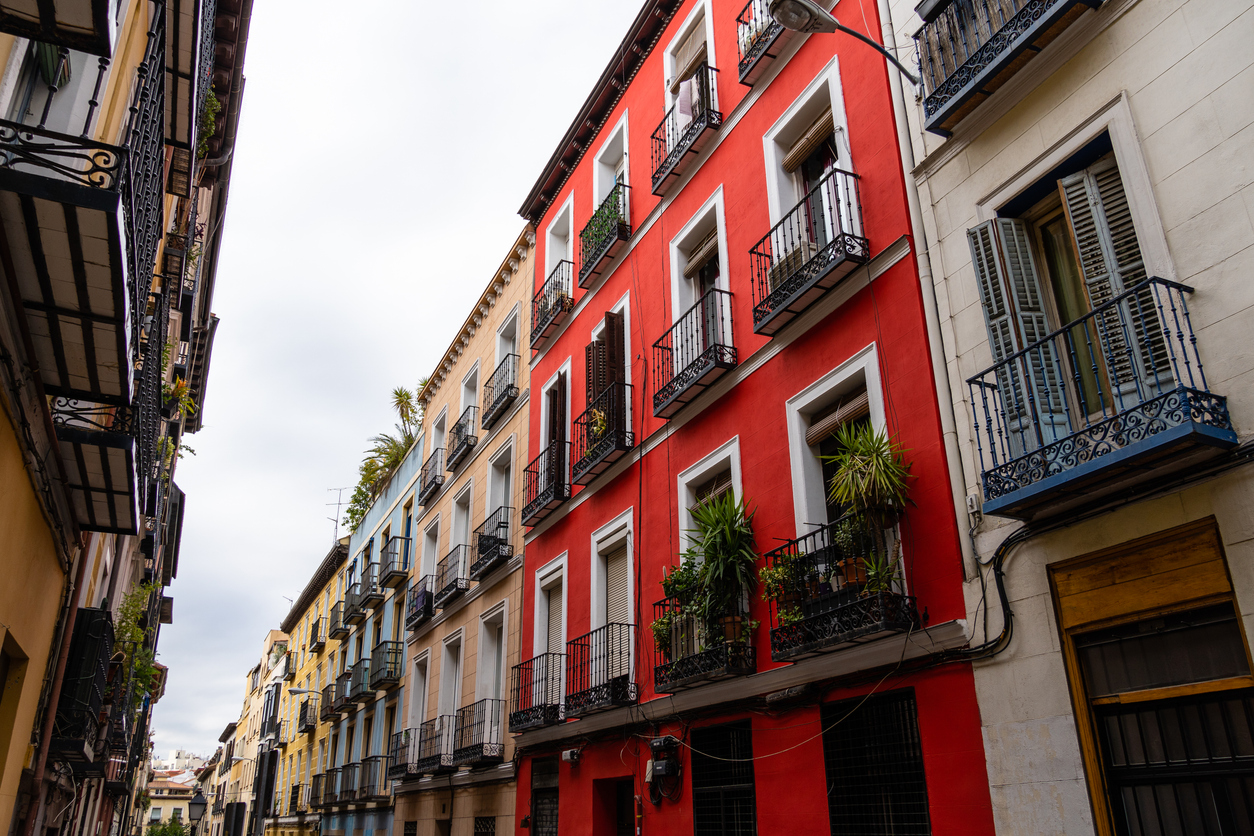
If you have been flat-hunting in Madrid for a while, you have almost certainly come across the term “flex living”. It is not just another property trend: the data shows it has become one of the most solid answers to an increasingly strained rental market. Here is what lies behind the concept and why more and more Madrileños — and newcomers — are choosing it.
What flex living is
Flex living is a housing model designed for medium-length stays — from a few weeks to several months — combining the comfort of a furnished, move-in-ready flat with the flexibility of a contract that does not tie you down for the long term. It emerged precisely to fill the gap between traditional rentals (designed for years) and tourist accommodation (designed for days).
Growth by the numbers
The figures explain why this model is being talked about so much:
- Investment in flex living in Madrid rose from 50 million euros in 2021 to 1,079 million euros in 2024: growth of more than twentyfold in just three years.
- Nationally, the sector reached some 19,100 units in 2025, with 7,100 new deliveries that same year and year-on-year growth of 60%.
- The pipeline of projects under way could take the total to 35,000 units, a sign that growth has not slowed.
- Operational residential investment (which includes flex living, PRS and build-to-rent) totalled 2,200 million euros in 2025, 28% more than the previous year.
- Rents for this type of institutional product continue to trend upwards, with increases of close to 10% a year.
Who chooses flex living
Far from being a niche, the user profile is broad and responds to very real needs in the city:
- Students: Madrid welcomes approximately 123,000 students a year, many of whom need accommodation for courses or semesters, not years.
- Relocated professionals and young people in their first job, who arrive in the city without yet knowing which neighbourhood they want to settle in long term.
- People going through life transitions: separation or divorce proceedings (around 12,000 cases a year in the region) or home renovations (close to 200,000 a year) create a one-off need for temporary accommodation.
- New residents of the city: Madrid gains more than 300,000 new residents every year, a good proportion of whom start with a flexible arrangement before signing a traditional lease.
Why it is gaining ground on traditional rentals
Behind this growth lie several structural causes that will not disappear any time soon: the shortage of housing supply in major cities, increasing job mobility and migration flows towards Madrid, a shift in habits that values flexibility over long-term commitment, and a regulatory framework that, by tightening around traditional rentals, is pushing many owners and operators towards more flexible institutional models.
Ultimately, flex living does not so much compete with traditional renting as fill a gap that traditional renting does not cover well: the needs of someone who wants a quality home now, for a limited time, without the uncertainty or the timescales of a multi-year contract. At aTemporal we apply that model to seasonal rentals in Madrid: fully equipped flats, contracts matched to how long you actually need, and none of the rigidity of the traditional market.